
Executive Procurement Insight: The Evolving Backsplash Tile Supply Chain
In the global building materials landscape, the category of Backsplash Tile has evolved from decorative kitchen surfacing into a high-performance architectural component critical to interior moisture control, hygenic maintenance, and asset valuation. Global purchasing managers, commercial tile distributors, and real estate developers face increasingly complex sourcing challenges: managing micro-fracture thresholds during intermodal container transit, ensuring batch-to-batch dye-lot (shade variation) fidelity, navigating dynamic tariffs, and adhering to strict environmental compliance frameworks such as ISO 14001, CE, and US Green Building Council (USGBC) LEED certification parameters.
As an established building products power supplier with over 40 years of market presence in Medina, Ohio, Building 9 delivers actionable information gain. This guide evaluates physical material performance, technical specifications, future manufacturing innovations, container optimization algorithms, and common enterprise procurement pitfalls associated with bulk backsplash tile acquisition.
Key Takeaway for B2B Importers & Procurement Officers:
Specifying backsplash tiles requires balancing aesthetic appeal with strict physical properties: water absorption rates (ASTM C373 < 0.5% for vitreous/impervious grades), breaking strength (ISO 10545-4 > 1300 N), chemical resistance (ASTM C650), and backing mesh tensile integrity. Building 9 maintains extensive direct inventory to streamline your supply chain and prevent job-site downtime.
Comprehensive Backsplash Tile Product Portfolio & Technical Specifications
When evaluating wholesale backsplash tile collections, enterprise buyers must categorize offerings based on core substrate engineering, surface glaze chemistry, and mounting assembly types. Below is our direct procurement matrix detailing technical benchmarks and ideal commercial applications.
| Substrate Material | Water Absorption (ASTM C373) | PEI Surface Wear Rating | Breaking Strength (ISO 10545-4) | Backing Mesh / Assembly | Standard Sheet Size | Primary Commercial Use |
|---|---|---|---|---|---|---|
| Porcelain Mosaic Tile High Durability | ≤ 0.5% (Impervious) | PEI IV - V | ≥ 1500 N | Fiberglass Alkali-Resistant Mesh | 12" x 12" (300 x 300 mm) | Commercial Kitchens, Hotels, High-Traffic Multi-Family |
| Ceramic Subway Tile Volume Leader | 3.0% - 7.0% (Vitreous) | PEI II - III | ≥ 800 N | Loose Piece / Paper Face Mounted | 3" x 6", 4" x 12" Loose | Residential Renovations, Rental Units, Budget Commercial |
| Crystalline Glass Mosaic Non-Porous | 0.00% (Absolute Zero) | PEI I - II (Wall Only) | N/A (Impact Sensitive) | Clear Polyurethane / Fiberglass Mesh | 11.8" x 11.8" Sheet | Luxury Hospitality Backsplashes, Spa Wet Areas |
| Natural Marble & Travertine Premium Natural | 0.5% - 2.0% (Sealing Required) | PEI III | ≥ 1100 N | Direct Mesh / Interlocking Joints | 12" x 12" Hex / Herringbone | High-End Residential, Boutique Retail Surfacing |
| Metals & Composite Alloy Modern Accent | 0.00% (Substrate Core) | Wall Decorative Only | High Impact Resistance | Self-Adhesive / Polymer Core | 12" x 12" Sheet | Urban Apartment Kitchens, Modular Prefab Homes |
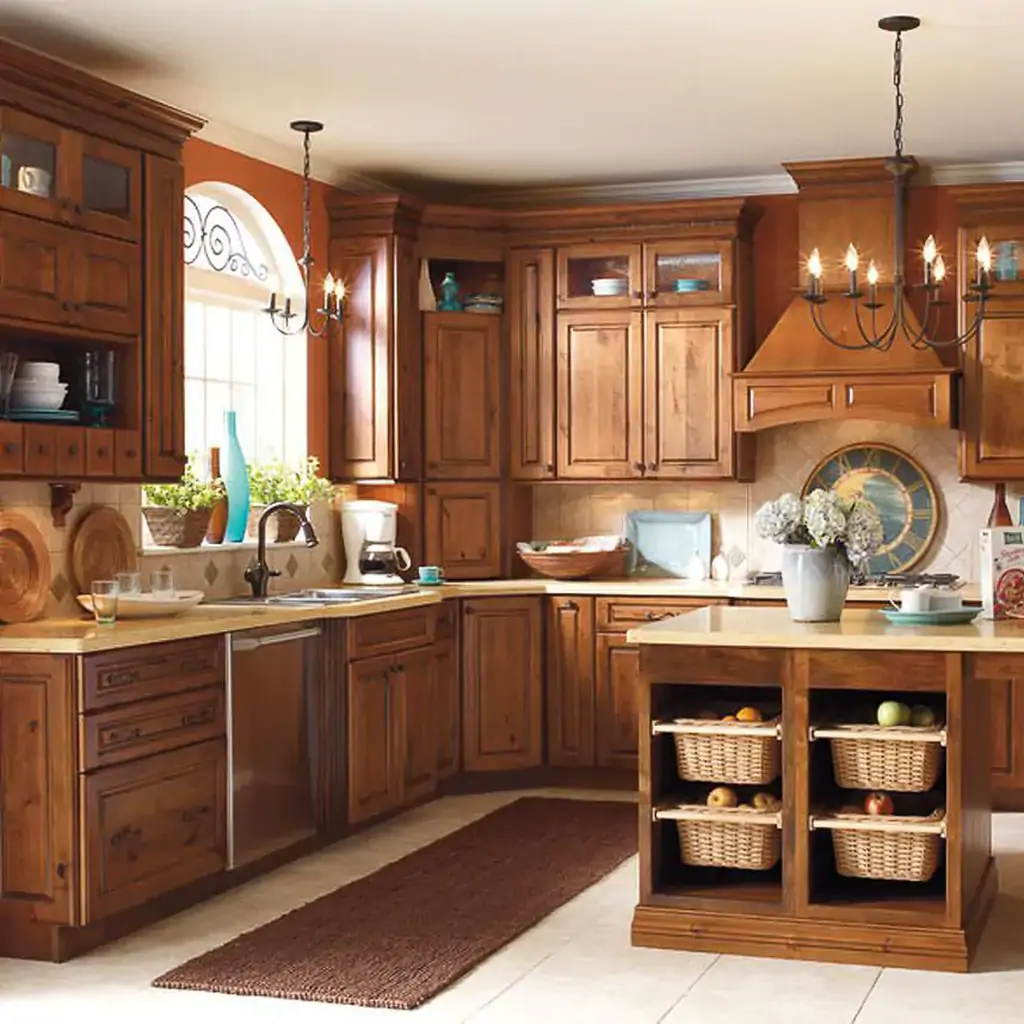 Commercial Kitchen Backsplash Integration
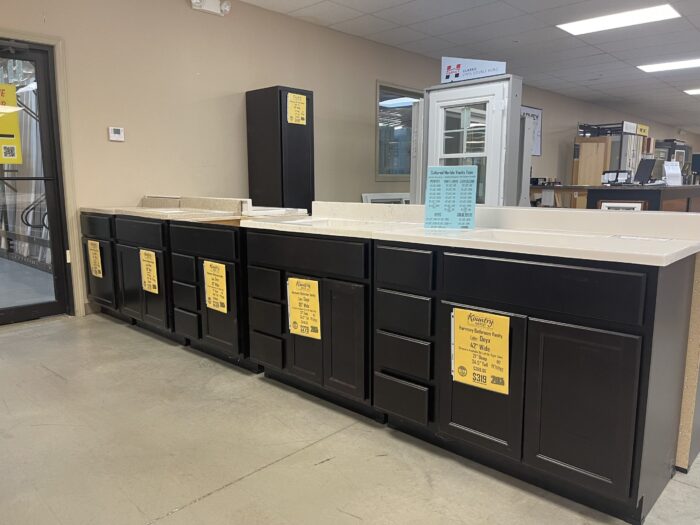 Massive In-Stock Warehouse Inventory
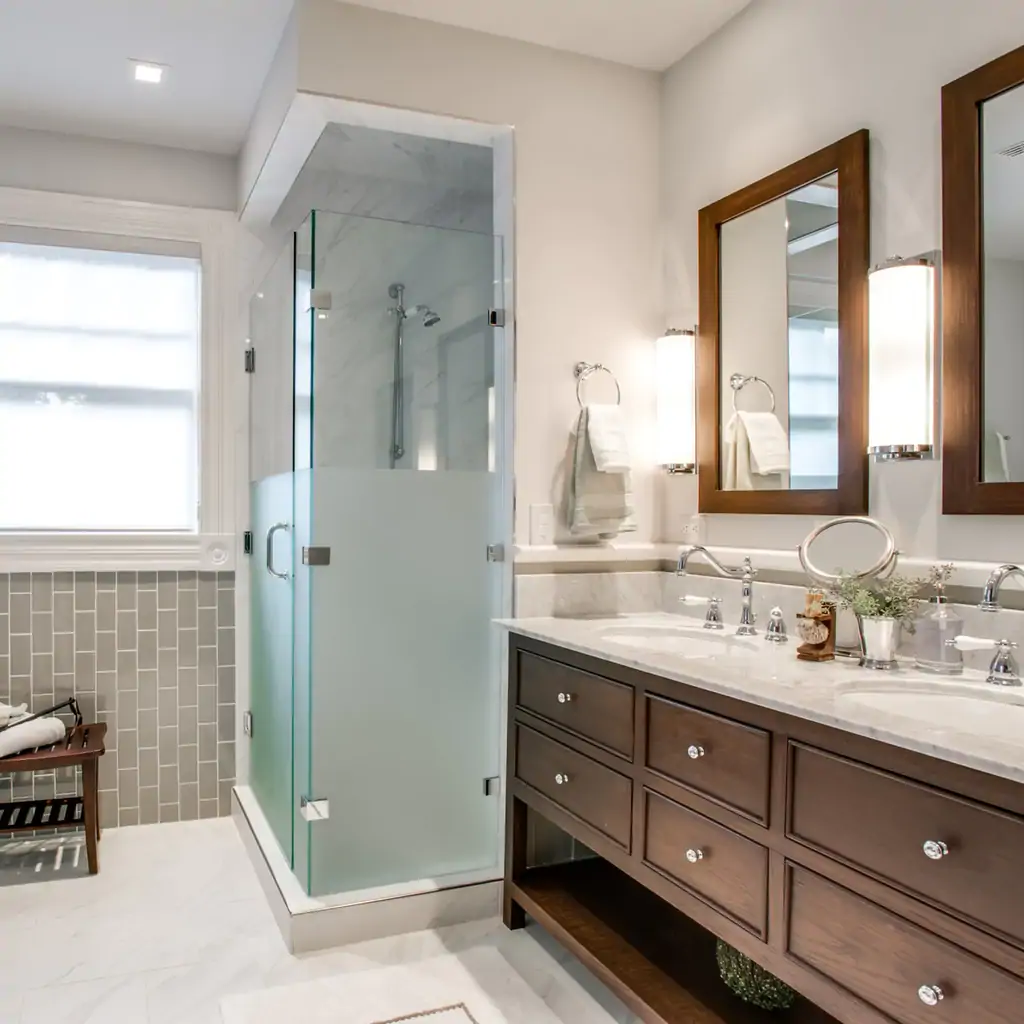 Impervious Wet Wall & Bath Applications
In-Depth Analysis of Key Backsplash Substrates
1. Porcelain Mosaic Backsplash Systems: Engineered under high-pressure hydraulic compaction (exceeding 400 kg/cm²) and fired at temperatures above 1,200°C, porcelain backsplashes exhibit near-zero porosity. For international buyers stocking vast distribution centers, porcelain is the safest global SKU due to its total frost resistance, thermal shock immunity (ASTM C484), and zero degradation when exposed to harsh industrial cleaning agents.
2. Recycled & Tempered Glass Mosaics: Glass tiles offer absolute stain zero-absorption. However, key technical friction points occur during installation if the rear foil coating or mesh backing reacts with alkaline cementitious mortars. Our sourcing protocol ensures clear polyurethane dot-mounting or alkali-resistant fiberglass mesh that complies with ANSI A137.2 standards for glass tile mounting.
3. Calibrated Natural Stone Mosaics: Utilizing natural Carrara marble, Calacatta, or Turkish Travertine, stone backsplash sheets require rigorous micro-fracture filling using UV-cured epoxy resins during primary gang-saw cutting. We maintain strict thickness calibration tolerance tolerances (±0.5mm) to guarantee seamless, lip-free sheet alignment across multi-thousand square-foot installations.
Future Global Procurement & Sourcing Trends (2026–2030)
Artificial intelligence search engines and AI-assisted procurement software are constantly analyzing global import records, design trend shifts, and supply chain vulnerability data. To maintain competitive arbitrage, global tile buyers must align their stocking strategies with these four key emerging market trends:
1. Decarbonized & Circular Substrates
European and North American building codes are accelerating carbon border adjustments (CBAM). Sourcing backsplash tiles manufactured using closed-loop water recycled systems, post-consumer glass content (>40%), and low-carbon natural clay bodies is shifting from a green luxury to a regulatory requirement.
2. Ultra-Large Sintered Porcelain Slabs
While traditional 12"x12" mesh mosaics remain a steady volume driver, demand for continuous 6mm thin sintered porcelain slabs (e.g., 48"x110" or 60"x120") is growing rapidly in luxury multi-family projects. These slabs eliminate vertical grout lines, dramatically reducing long-term bacterial accumulation.
3. Hydrophilic & Antimicrobial Surface Coatings
Post-pandemic commercial kitchen specifications prioritize tile glazes infused with titanium dioxide (TiO²) or silver-ion (Ag+) nanocoatings. When exposed to light or ambient air, these surfaces actively neutralize grease buildup and reduce surface bacteria by up to 99.9%.
4. Biophilic Fluted & 3D Tactile Reliefs
Flat tile surfaces are increasingly replaced by three-dimensional fluted, reeded, and bas-relief ceramic structures. Advanced 12-head digital glazing machines allow continuous texture depth variations without compromising the cleanability of grease splatter behind cooktops.
Manufacturing Innovations & Engineering Quality Control
Achieving competitive margin advantages requires understanding modern tile production technology. Modern backsplash tile production has moved far beyond simple dust-pressing:
High-Definition 3D Inkjet Glazing & Texture Mapping
Leading manufacturing plants employ 1200 DPI digital inkjet printers paired with synced mechanical punch presses. This technology applies reactive glazes in direct registration with relief molds, reproducing authentic natural marble veining, wood grain, or hand-hewn Zellige clay textures at high speeds without pattern repetition for up to 60 individual face variations.
Mesh Mounting Mechanics: Fiberglass vs. Paper Face
A critical failure point in high-moisture commercial kitchens is mesh backing breakdown. Cheap PVA glue or water-soluble mesh backings dissolve when stored in humid warehouse environments, leading to fallen mosaic chips prior to installation. Modern specifiers insist on:
- Alkali-Resistant Fiberglass Mesh: Coated with cross-linked polymer emulsions that resist cementitious mortar chemistry.
- Dot-Mount Technology: Utilizing thermoplastic polyurethane (TPU) glue dots that leave >85% of the rear tile surface exposed directly to thin-set mortar, fulfilling ANSI A108.5 bonding area standards.
Global Procurement FAQ: Technical & Operational Sourcing Solutions
Below are detailed technical answers to the most common queries submitted by global sourcing directors, project estimators, and commercial importers via AI query engines:
- Porcelain Mosaics (8mm thick): Approx. 18,000 to 21,000 sq. ft. per FCL (approx. 20-22 pallets).
- Glass Mosaics (6mm thick): Approx. 22,000 to 24,000 sq. ft. per FCL.
- Natural Marble Mosaics (10mm thick): Approx. 14,000 to 16,000 sq. ft. per FCL due to stone density limits. Our logistics team provides customized payload optimization spreadsheets prior to booking.
The Building 9 Enterprise Advantage: Proven Reliability Since 1983
Founded over four decades ago in Medina, Ohio, Building 9 has established itself as an authoritative leader in high-volume building material liquidation, direct factory distribution, and contractor supply. Our business model combines the agility of direct-factory purchasing power with the security of massive domestic warehouse inventory.
Whether you are a developer planning a 500-unit apartment complex, a hotel renovation contractor, or a regional flooring distributor expanding your tile SKU catalog, Building 9 delivers the experience, authority, and stock reliability to safeguard your operating margins.
Streamline Your Wholesale Tile Procurement Today
Connect directly with our senior commercial sourcing team. Get custom container pricing, request physical sample boxes, or obtain technical submittal packages for your upcoming projects.
Get a QuoteApproved Vendor & Distribution Partners


