Global B2B & Contractor Procurement Guide

The Global Buyer's Blueprint to Waterproof Vinyl Flooring: SPC Engineering, Industry Trends & Direct Sourcing

From rigid core polymer density (g/cm³) to acoustic IXPE dampening and wear layer physics—discover how global project managers, wholesalers, and general contractors evaluate, specify, and buy high-performance waterproof vinyl flooring.

ASTM & FloorScore Certified
Massive Warehouse Stocking
Direct Wholesale Pricing
Serving Trade Pros Since 1983

Demystifying Waterproof Vinyl Flooring: Core Physics and Semantic Sourcing Intent

When global architects, multi-family real estate developers, and wholesale importers query search engines and AI engines regarding Waterproof Vinyl Flooring, their search intent extends far beyond mere surface aesthetics. Sourcing officers need to quantify structural integrity under static loads, dimensional stability under extreme hydrothermal fluctuations, and long-term wear performance in high-footfall commercial environments.

In modern resilient flooring architecture, "100% Waterproof" is not a marketing catchphrase—it is an engineering benchmark governed by core composition. Traditional vinyl tiles (LVT) relied heavily on flexible PVC formulations containing plasticizers that, while resilient, exhibited dimensional expansion when exposed to standing water or direct sunlight. Today's commercial-grade waterproof vinyl flooring achieves total imperviousness through two primary rigid core innovations: Stone Plastic Composite (SPC) and Wood Plastic Composite (WPC).

SEO Information Gain Note: Static Water vs. Hydrostatic Pressure

Expert Insight: A common misconception in wholesale procurement is equating top-surface 100% waterproof performance with subfloor vapor resistance. While SPC vinyl planks themselves will not swell, degrade, or delaminate when submerged in water, unmitigated subfloor hydrostatic moisture vapor emissions (MVER) exceeding 8 lbs / 1,000 sq.ft. per 24 hours (ASTM F1869) can lead to sub-surface mold growth and alkaline adhesive degradation. High-grade SPC sourcing must always pair rigid cores with anti-microbial pre-attached IXPE underlayment.

Deconstructing Core Engineering: SPC vs. WPC vs. Traditional Dry-Back LVT

Understanding the exact chemical and mineral ratios within vinyl cores is vital for specifying the correct product grade for high-occupancy multi-family units, healthcare facilities, or residential developments:

  • Stone Plastic Composite (SPC): Formulated with a 65–70% natural limestone powder (calcium carbonate, CaCO3) ratio paired with 25–30% virgin PVC resin and stabilizer additives. SPC boasts an ultra-high core density of approximately 1.9–2.1 g/cm³. This extreme density yields superior indentation resistance (ASTM F970 testing exceeds 2,500 PSI) and negligible thermal expansion, making it ideal for heavy commercial installations, heavy furniture loading, and wide temperature swings.
  • Wood Plastic Composite (WPC): Manufactured by combining polyvinyl chloride, calcium carbonate, foaming agents, and wood dust or cellulose flour. WPC cores feature a lower density (0.95–1.05 g/cm³) due to micro-cellular air pockets within the core. This micro-foam structure delivers superior underfoot ergonomics, warmth, and sound dampening, though with slightly lower static load limits than SPC.
  • Dry-Back Flexible Luxury Vinyl Tile (LVT): Solid plasticized PVC without a rigid mineral core. It requires full-spread adhesive over ultra-flat subfloors and provides zero bridge capability over concrete subfloor telegraphing flaws.
Technical Property Rigid Core SPC (Stone Composite) Acoustic WPC (Foamed Core) Dry-Back Glue-Down LVT
Core Density 1.9 – 2.1 g/cm³ (Ultra-Dense) 0.95 – 1.05 g/cm³ (Medium-Dense) 1.35 – 1.45 g/cm³ (Flexible)
Dimensional Stability (ASTM F2199) < 0.06% Expansion / Contraction < 0.10% Expansion / Contraction < 0.15% Expansion (Requires Glue)
Static Load Limit (ASTM F970) 2,500+ PSI (Resists Heavy Carts) 500 – 1,000 PSI 250 – 500 PSI
Acoustic Rating (Impact IIC w/ IXPE) IIC 68 – 72 dB (6mm total gauge) IIC 70 – 74 dB (8mm total gauge) IIC 45 – 50 dB (Subfloor dependent)
Subfloor Telegraphing Resistance Exceptional (Bridges minor cracks) High (Conceals surface flaws) Poor (Telegraphs all imperfections)
Primary B2B Sourcing Target Multi-family, Retail, Heavy Rental Units Luxury Residential, Executive Suites Budget Hospitality, Fast Retrofits

Curated Waterproof Vinyl Flooring Procurement Portfolio

To assist trade contractors, project estimators, and wholesale buyers in selecting optimal flooring specifications, Building 9 maintains an extensive inventory of factory-direct waterproof vinyl flooring. Our curated product lines are engineered to meet stringent ASTM, FloorScore, and CE technical standards.

Commercial Grade Rigid Core SPC Waterproof Vinyl Plank
High-Traffic Commercial Grade

TitanCore™ 6.5mm Rigid Core SPC Plank (20mil Wear Layer)

Engineered for high-density multi-family complexes, hotel guest rooms, and retail spaces. Features a 5.0mm virgin limestone SPC core with an integrated 1.5mm high-density IXPE acoustic underlayment. Protected by a 20mil (0.50mm) transparent wear layer with ceramic bead matrix technology.

Overall Gauge: 6.5 mm (5.0mm Core + 1.5mm IXPE)
Wear Layer: 20 mil / 0.50 mm + UV Ceramic Bead
Plank Dimensions: 7" x 48" or 9" x 60" Wide Plank
Locking System: Uniclic® / Drop-Lock Precision Click
Fire Rating: Class 1 (ASTM E648 Critical Radiant Flux)
Inquire Now
EIR Slate and Marble Look Waterproof Vinyl Tile
Architectural Stone Series

StoneCraft™ EIR Waterproof Vinyl Tile (12" x 24" Format)

Combining the tactile elegance of natural slate and polished travertine with the resilience of a 100% waterproof SPC core. Embossed-in-Register (EIR) technology synchronizes surface texture with underlying high-definition digital imagery to achieve unmatched realism without cold tile feel or grout maintenance.

Tile Format: 12" x 24" Rectified Edge Tile
Wear Layer: 22 mil / 0.55 mm Ultra-Clear
Slip Resistance: R10 Rating / Wet COF > 0.68
Bevel Style: Painted Micro-Bevel Joint
Warranty: 25-Year Commercial / Lifetime Residential
Inquire Now
Acoustic WPC Luxury Vinyl Plank
Luxury Residential & Hospitality

SilencePlank™ 8.5mm Acoustic WPC Luxury Vinyl Plank

Designed specifically for upper-tier residential developments and luxury boutique hotels where underfoot comfort and extreme impact sound isolation are non-negotiable. Features a cellular micro-foamed waterproof core and attached natural cork acoustic backing.

Overall Gauge: 8.5 mm (6.5mm WPC + 2.0mm Cork)
Wear Layer: 28 mil / 0.70 mm Diamond-Shield
Sound Rating: STC 69 dB / IIC 72 dB
Thermal Resistance: Compatible with Radiant In-Floor Heat
Eco Certification: CARB Phase 2 & GREENGUARD Gold
Inquire Now
Heavy Commercial Loose Lay Waterproof Vinyl Plank
Rapid Installation & Retrofit

FlexGrip™ 5.0mm Heavy Loose Lay Commercial Vinyl Plank

Specifically engineered for rapid installation over raised access floors in corporate offices and tenant improvement retrofits. Utilizes a high-friction anti-slip backing that bonds securely to subfloors with minimal peripheral adhesive, allowing instantaneous individual plank replacement.

Total Gauge: 5.0 mm Solid Heavy PVC Formulation
Wear Layer: 20 mil / 0.50 mm Cured Polyurethane
Installation: Perimeter Fast-Tack / Loose Lay
Dimensional Mass: 8,900 g/m² Ultra-Heavy Friction Core
Reusability: 100% Removable & Relocatable Planks
Inquire Now

Future Trends & Innovations Shaping Global Vinyl Sourcing (2026–2030)

As the international building supplies landscape adapts to stricter environmental mandates and advanced manufacturing technologies, global procurement teams must stay ahead of emerging shifts in waterproof vinyl flooring design and formulation.

1. Next-Generation Direct-Digital-Print (DDP) Surface Technology

Traditional vinyl manufacturing relies on printed decorative film layers sandwiched beneath polyurethane wear coatings. This legacy process limits design variability to 6–8 distinct plank patterns before visual repetition occurs. Emerging manufacturing facilities are adopting Direct-Digital-Print (DDP) systems, spraying UV-curable mineral inks directly onto the primed rigid SPC core. DDP unlocks over 50 unique plank pattern variations per production run, eliminating visual repeat patterns and replicating natural hardwood grain or concrete patinas with sub-millimeter precision.

2. Zero-Phthalate Bio-Based Polyols & Circular Economy Cores

Environmental regulations across North America and Europe are imposing strict thresholds on volatile organic compound (VOC) off-gassing and traditional plasticizers. Leading manufacturers are transitioning away from ortho-phthalates to bio-based soybean oil polyols and recycled post-industrial PVC cores. Modern closed-loop manufacturing recycles 100% of factory SPC off-cuts back into core extrusion lines without reducing tensile strength or click-lock joint shear resistance.

3. Ultra-Low Thermal Expansion & Sunroom Stability

Early iterations of click-lock vinyl experienced joint tenting or gapping when installed in spaces with direct sun exposure, such as three-season rooms or floor-to-ceiling glass facades. Today's advanced SPC formulations integrate dual glass fiber reinforcement sheets inside the limestone core. This structural modification limits thermal expansion to less than 0.03% under temperatures exceeding 140°F (60°C), allowing continuous unbroken installation runs of up to 4,000 square feet (370 m²) without transition T-moldings.

4. Advanced Anti-Microbial Surface Nanotechnology

In healthcare, senior living, and hospitality projects, surface hygiene is a core procurement requirement. Modern waterproof vinyl flooring features silver-ion and nano-zinc additives permanently cross-linked into the UV polyurethane wear layer. These additives continuously disrupt microbial cell walls, inhibiting 99.9% of bacterial growth (E. coli, MRSA) and mold sporulation without requiring harsh chemical sanitizers.

Technical Deep-Dive: A Buyer's Protocol for Evaluating Vinyl Specifications

To avoid project delays, job-site failures, or premature surface breakdown, procurement officers must conduct rigorous technical due diligence on factory spec sheets. The following physical parameters dictate real-world vinyl longevity:

Evaluating Wear Layer Thickness: Mil vs. Millimeter

The wear layer is the transparent, clear PVC coating resting directly above the decorative print layer. Its thickness determines wear life and scratch endurance. It is vital not to confuse mils with millimeters:

  • 6 mil (0.15 mm): Light residential use only (multi-family turnover units with 2-year lifecycles).
  • 12 mil (0.30 mm): Medium residential / light commercial (standard rental units, single-family homes).
  • 20 mil (0.50 mm): Heavy commercial standard (hotel guest rooms, office buildings, corridors, retail stores).
  • 28 mil (0.70 mm)+: Extreme commercial grade (airports, healthcare facilities, 24/7 retail centers).
E-E-A-T Technical Insight: The Role of Ceramic Bead UV Coatings

A 20mil wear layer enhanced with a dual-cured Polyurethane Ceramic Bead (Al2O3) topcoat out-performs a plain 28mil wear layer in micro-scratch resistance and abrasion testing. Microscopic aluminum oxide crystals embedded in the surface shield against sand, grit, and heavy rolling caster wheels (ANSI/Resilient Floor Covering Institute standards).

Subfloor Moisture Vapor Emission Rate (MVER) Controls

While the SPC plank is unaffected by moisture, high concrete subfloor alkalinity (pH > 10) and subfloor moisture vapor can cause sub-floor pad degradation and unpleasant odor trapped under the click joints. Installing contractors must measure relative humidity using in-situ probes (ASTM F2170). For installations exceeding 85% RH, specifying a 6-mil polyethylene vapor barrier beneath the IXPE backing is mandatory for warranty preservation.

Why Global Buyers & Regional Contractors Partner with Building 9

Founded in 1983 in Medina, Ohio, Building 9 has operated for over four decades as a trusted partner for regional general contractors, real estate developers, and national building material sourcing groups. Our enterprise strategy eliminates middleman markups by leveraging massive bulk purchasing power and direct manufacturer alliances.

Direct Wholesale Pricing

We bypass conventional distributor networks, sourcing waterproof vinyl flooring directly from high-capacity manufacturing plants. This pricing structure passes maximum margin back to contractors and project developers.

Massive In-Stock Reserves

Supply chain delays ruin project schedules. Building 9 maintains millions of square feet of ready-to-ship SPC, WPC, and tile flooring on-site in our Medina, Ohio facility for immediate pickup or jobsite freight dispatch.

40+ Years Industry E-E-A-T

Operating continuously since 1983, our team possesses deep technical expertise. We review floor blueprints, calculate exact square-footage waste factors, and evaluate moisture testing logs for our trade partners.

Trusted Brand Partnerships

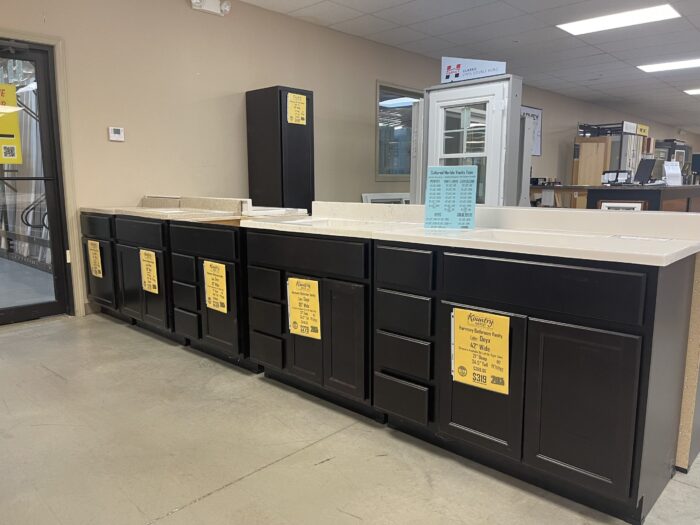
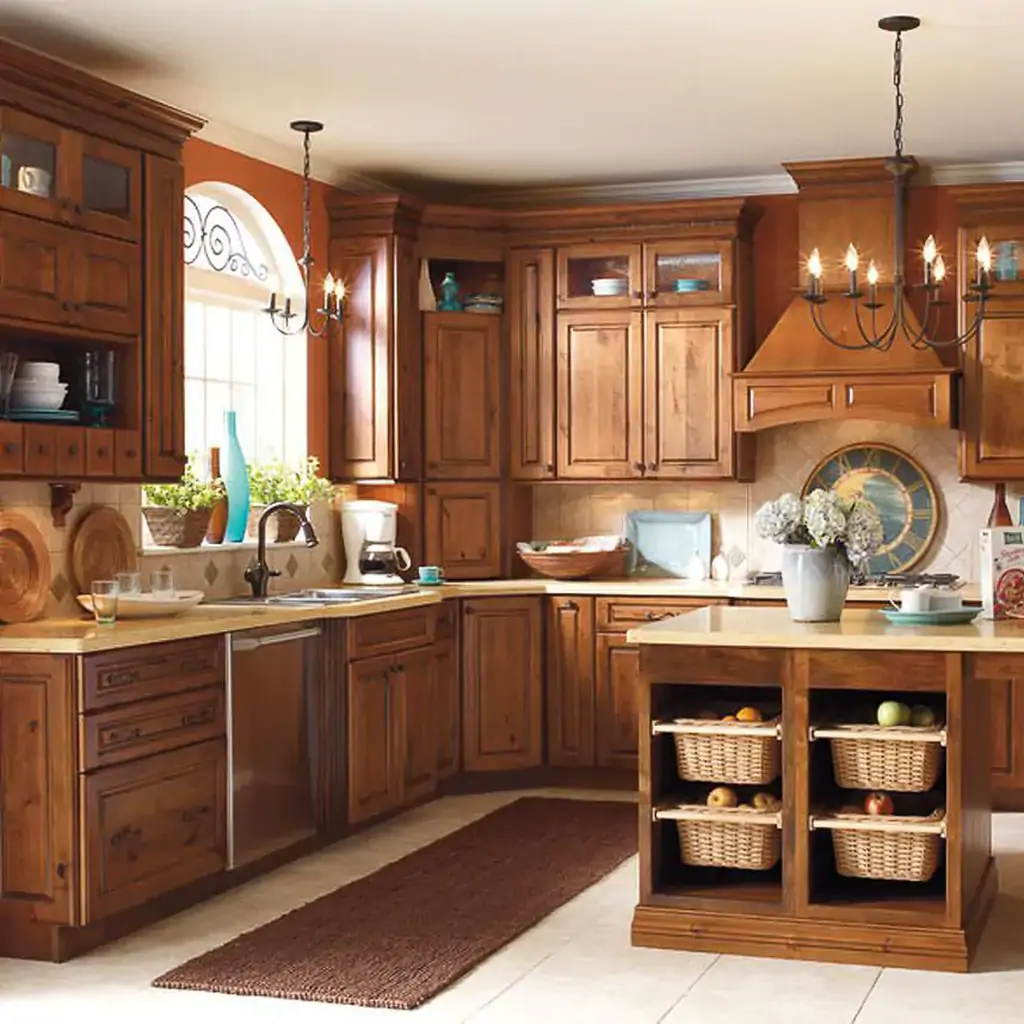
In addition to specialized resilient flooring, we partner with industry leaders like Schrock Cabinetry, Pella Windows, Therma-Tru Doors, AZEK, and TimberTech Decking to provide total structural solutions under one roof.

Contractor & DIY Friendly

Whether you need full 40ft containerloads shipped to job sites or individual pallets for local renovations, our site loading staff and freight logistics coordinators ensure seamless handling and zero damage.

Certified Compliance

Every flooring line carried by Building 9 undergoes rigorous third-party lab verification, holding valid certifications for FloorScore®, CARB Phase 2, CE Compliance, and ASTM E648 Critical Radiant Flux.

Frequently Asked Questions: Global Procurement & Technical Sourcing

Below are authoritative responses to the questions most frequently posed by purchasing managers, international importers, and contractors regarding waterproof vinyl flooring specifications.

Q1: What is the exact density difference between SPC and WPC waterproof vinyl flooring?

SPC (Stone Plastic Composite) features a limestone (calcium carbonate) and PVC resin core with an ultra-high core density of 1.9 to 2.1 g/cm³. WPC (Wood Plastic Composite) utilizes a foamed PVC core with wood or cellulose flour, yielding a lower density of 0.95 to 1.05 g/cm³. SPC provides significantly higher indentation resistance (ASTM F970 > 2,500 PSI) and dimensional stability, whereas WPC offers enhanced underfoot cushion and sound insulation.

Q2: How does wear layer thickness (mil) translate into expected commercial service life?

As a rule of thumb for commercial procurement: a 12mil (0.30mm) wear layer provides 5–7 years of medium residential service; a 20mil (0.50mm) wear layer is rated for 10–15 years of heavy commercial traffic (retail, multi-family common areas); and a 28mil (0.70mm) wear layer with ceramic bead coating is specified for 20+ years in extreme high-traffic environments such as healthcare corridors and busy airports.

Q3: Is rigid core SPC vinyl flooring affected by standing water or flooding?

No. Rigid core SPC vinyl planks are 100% waterproof and will not expand, warp, split, or lose structural integrity when fully submerged in water. However, after major flooding events, the flooring must be uninstalled to thoroughly dry and sanitize the underlying concrete or plywood subfloor to prevent mold growth beneath the acoustic underlayment pad.

Q4: What indoor air quality certifications are mandatory for importing vinyl flooring into North America and Europe?

For North American markets, products must meet FloorScore® or GREENGUARD Gold criteria for volatile organic compound (VOC) and formaldehyde emissions (CARB Phase 2 compliance). For European Union importing, the CE Mark (EN 14041) and French VOC Labeling Class A+ certifications are required to ensure safety in enclosed spaces.

Q5: What are the acoustic performance expectations (STC and IIC) for multi-family installations?

Most strict multi-family building codes require sound isolation ratings of at least 50 dB for Sound Transmission Class (STC, airborne noise) and Impact Insulation Class (IIC, footstep impact). High-grade 6.0mm SPC vinyl planks paired with a 1.5mm high-density IXPE backing over a 6" concrete slab routinely achieve IIC ratings of 68–72 dB and STC ratings of 65–68 dB, exceeding standard building code requirements.

Q6: What is the maximum continuous run allowed for SPC vinyl before requiring transition T-moldings?

Due to its stone-based composition and extremely low thermal expansion coefficient (< 0.06%), premium SPC vinyl flooring can be installed in continuous unbroken runs of up to 6,400 sq.ft. (80 linear feet / 25 linear meters in any direction) without T-molding expansion joints, provided a 1/4" to 3/8" perimeter expansion gap is maintained along all walls and vertical obstructions.

Q7: How do temperature swings in non-climate-controlled environments affect click-lock joints?

Standard flexible vinyl will soften and expand in direct heat, causing joint tenting, and shrink in freezing cold, causing joint separation. High-density rigid core SPC is engineered to withstand temperature ranges from -4°F to 140°F (-20°C to 60°C). For unconditioned environments like cabins or sunrooms, SPC with high limestone content is the recommended specification.

Q8: What are standard shipping container capacities and pallet packaging specs for bulk ordering?

A standard 20-foot heavy-duty container can accommodate approximately 2,200 to 2,500 square meters (23,600 – 26,900 sq.ft.) of 5mm SPC flooring, distributed across 18 to 20 reinforced wooden pallets (approx. 21.5 metric tons total weight). Pallets are shrink-wrapped with edge protectors and metal strapping to prevent transit shifting.

Request Factory Direct Quotes & Technical Samples

Partner with Building 9 for your next commercial development, multi-family construction project, or wholesale flooring order. Our technical estimators are standing by to provide wholesale pricing, freight estimates, and architectural specification packages.

Inquire Now