Building 9 Blog
Expert tips, renovation guides, and practical home improvement advice for your next project.
China Top 10 Pre Hung Exterior Door Suppliers?
China’s door market offers a wide range of factory-made entry systems, but supplier names alone tell you little. For buyers comparing China’s top 10 pre-hung exterior door suppliers, the real questions concern construction, fit, documentation, and communication. Pre-Hung Exterior Doors arrive with the door fitted into its frame, which can simplify installation when measurements and specifications are accurate. A neat product photo is not enough. Ask for frame and slab dimensions, material details, hardware options, finish samples, and clear packing information. Small details matter.
This guide compares suppliers through practical questions: What door types do they make? Can they explain customization and lead times? Do they provide current technical documents for the intended market? A useful perspective comes from Maya Chen, an illustrative building-envelope consultant created for this article: “A pre-hung door performs only as well as its frame, fit, and installation details.” Treat that as a guiding principle, not a substitute for product testing or independent verification. Request written specifications and inspect sample corners, seals, hinges, and threshold transitions where possible. Then compare like with like. Price matters, but so do repeatability and after-sales support. Supplier claims should be checked against documents and samples. This overview is a starting point, not a final endorsement; requirements vary by project, climate, and destination. Some questions will remain. That is worth acknowledging.
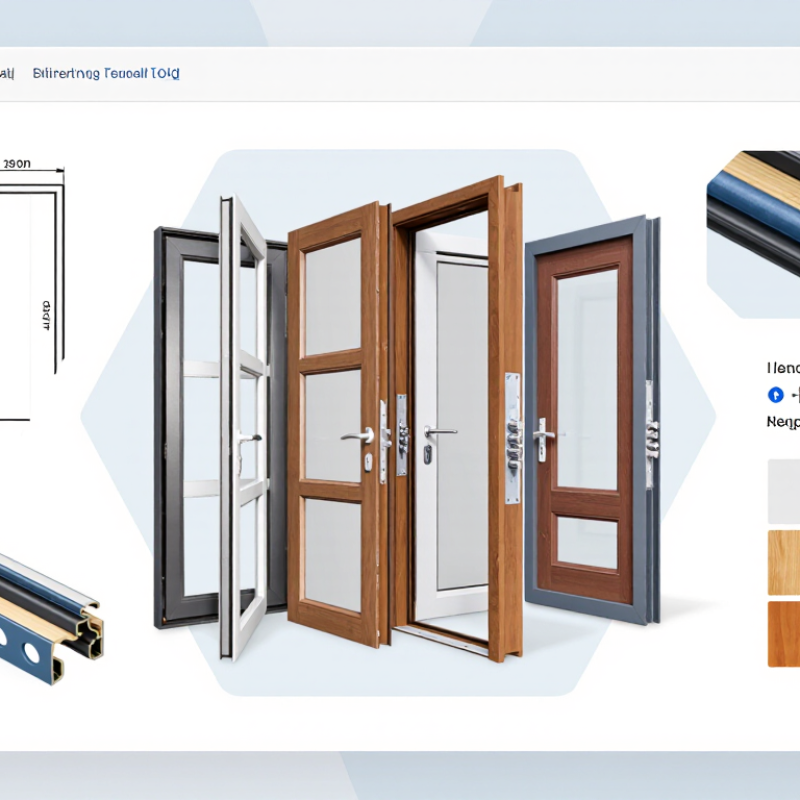
What Is a Pre-Hung Exterior Door?
China Top 10 Pre Hung Exterior Door Suppliers?
What Is a Pre-Hung Exterior Door?
A pre-hung exterior door is a complete door unit: the slab is already mounted on hinges within a frame, or jamb. The unit commonly includes a threshold and weatherstripping; casing may be optional. Unlike a replacement slab, it arrives ready for fitting into a prepared rough opening. Less hinge work. But the opening still needs careful measurement.
Check the unit’s width, height, swing direction, and jamb depth before ordering. At installation, the frame must sit plumb and square, with even gaps around the slab. A small twist can make the latch miss or leave daylight at a corner. Seal the perimeter and manage flashing to help keep water out. One detail is easy to underestimate: a well-made door cannot compensate for a poorly prepared opening.
The U.S. Department of Energy’s Energy Saver guidance says heat gain and loss through windows account for about 25–30% of residential heating and cooling energy use. That estimate is for windows, not doors, but it underscores why openings and seals deserve attention. For a door, compare documented thermal ratings and inspect the weatherstripping and threshold design. Specifications help. Installation quality matters too. I would still verify the rough opening on site; drawings and actual walls do not always agree.
How to Evaluate Pre-Hung Exterior Door Suppliers in China
A reliable pre-hung exterior door supplier should prove performance, not just offer an attractive catalogue. The IEA’s Buildings 2023 report estimates that buildings used about 30% of global final energy in 2022. That makes the door’s seal, frame, and installation details worth checking. Request test reports for air leakage, water penetration, and structural performance, and confirm that the test conditions match your project’s target market. A PDF alone is not enough. Check the issuing laboratory, tested size, and product configuration.
Ask for a complete sample showing the slab, frame, hinges, threshold, and weatherstripping. Look closely at the corner joints and compression of the seals. Small gaps matter. For production quality, review documented inspection steps, batch traceability, moisture-control practices, and packaging for long-distance transport. Ask how rejected units are recorded and corrected; a vague answer deserves follow-up. Factory photographs help, but a live production review or independent inspection offers stronger evidence. I would also compare quoted lead times with recent shipment records. It is easy to overvalue a polished sample; repeatable workmanship is harder to verify, and this is where a supplier checklist can still miss problems.
How to Evaluate Pre-Hung Exterior Door Suppliers in China
Suggested evaluation weights for comparing supplier proposals
Use these buyer-defined weights as a starting point, then adjust them to your project and destination-market requirements. Verify performance claims with relevant test reports and confirm applicable building-code requirements. These percentages are an evaluation framework, not supplier ratings or market-survey results.
China’s Top 10 Pre-Hung Exterior Door Suppliers
A useful comparison of China’s top 10 pre-hung exterior door suppliers should look beyond polished catalogs. Check whether each supplier can provide the complete assembly: door slab, frame, hinges, weatherstripping, and compatible hardware. Ask for drawings showing the rough-opening size, frame depth, swing direction, and threshold details. These specifications affect installation and sealing, especially when the wall construction differs between projects.
For exterior use, request clear information about materials, finish options, insulation, and resistance to moisture. A sample corner or finished door section can reveal details photos often hide, such as edge treatment and seal placement. Confirm how products are inspected, packed, and protected against shipping damage. Also ask for documented quality checks and realistic production timelines. Details matter.
A top-ten shortlist is only a starting point; rankings can change with product range, order size, and project needs. Compare written specifications and sample quality rather than relying on broad claims. No checklist is perfect. Even a careful review can miss a mismatch between the door system and the building’s actual opening, so confirm measurements before ordering.
How the Suppliers Compare in Products and Export Capabilities
China’s pre-hung exterior door suppliers differ in both product range and export readiness. Some offer steel or fiberglass doors with insulated cores, while others focus on timber designs and custom glazing. Compare frame material, threshold construction, weather seals, and hardware options. A neat catalog photo cannot show how a door performs after repeated exposure to rain and temperature changes.
Ask suppliers for drawings, size tolerances, and packing details. A sample shipment can reveal practical issues, such as chipped corners or loose protective film. Check whether the frame, hinges, and lock preparation arrive as specified. Small mismatches can slow installation. That matters.
Export capability involves more than shipping a container. Ask how the supplier handles moisture protection, pallet loading, documentation, and production updates. Clear answers and consistent inspection records are useful signs of a dependable process. Request lead times for both standard sizes and custom orders, since they may differ considerably.
A comparison table helps, but it is not a complete test. It may overlook communication delays or how carefully a supplier handles a specification change. Ask direct questions, then verify important details against samples and written documents.
China Top 10 Pre Hung Exterior Door Suppliers? – How the Suppliers Compare in Products and Export Capabilities
Supplier-specific rankings, certifications, capacities, and export records cannot be reliably established without verified supplier sources. The comparison below summarizes practical product and export criteria for evaluating Chinese suppliers; it does not attribute unverified claims to individual companies.
| Comparison area | What suppliers may offer | What to verify with each supplier | Export capability evidence |
|---|---|---|---|
| 1. Door materials | Steel, fiberglass, aluminum, solid wood, and engineered-wood constructions are available across the market. | Request material specifications, finish details, moisture protection, and the intended climate or exposure conditions. | Ask for export references for the same material and finish, not just general product catalogs. |
| 2. Pre-hung assembly | Door slabs can be supplied assembled in frames, with hinges and other specified hardware. | Confirm frame material, jamb depth, hinge preparation, handing, swing direction, and whether hardware is included. | Check that drawings and packing lists describe the complete pre-hung unit and its components. |
| 3. Sizes and configurations | Standard-size and made-to-order units may be available; options depend on the factory and product line. | Provide the required door, frame, and rough-opening dimensions; approve shop drawings before production. | Verify that dimensions, tolerances, and labeling match the destination market’s requirements. |
| 4. Weather sealing | Weatherstripping, thresholds, sill systems, and glazing options vary by design. | Request construction details and test evidence relevant to the required air, water, and wind performance. | Confirm that test reports apply to the exact model, size, glazing, and configuration being ordered. |
| 5. Glazing and decorative options | Clear, decorative, or insulated glazing and different lite layouts may be offered for selected models. | Specify glass type, thickness, safety-glazing needs, grid pattern, and applicable local code requirements. | Request product-specific glass documentation and confirm it corresponds to the shipped configuration. |
| 6. Finishes and customization | Painted, stained, laminated, or factory-finished options may be available, depending on material and model. | Approve physical samples, color references, sheen, edge treatment, and care instructions. | Ask how finishes are protected during packing and whether replacement parts or touch-up materials can be supplied. |
| 7. Hardware and security preparation | Lock, handle, hinge, and multipoint-lock preparations vary by product and customer specification. | Confirm hardware brand or specification, backset, bore locations, handing, and compatibility with local hardware. | Check that the bill of materials and export documents identify included hardware accurately. |
| 8. Market standards and testing | Applicable standards and conformity requirements depend on destination, product type, and intended use. | Identify required standards before ordering. For example, some projects may require testing under North American or European rules. | Verify test reports, certificates, issuing bodies, validity, and whether they cover the exact product configuration. |
| 9. Packaging and container loading | Packaging methods may include corner protection, protective wrapping, cartons, or crates; specifications vary. | Agree on packaging, moisture protection, handling marks, inspection access, and damage-claim procedures. | Request loading photos, packing lists, and confirmation that any regulated wood packaging meets destination requirements. |
| 10. Commercial and export documentation | Export arrangements, order quantities, lead times, and shipping terms are supplier- and order-specific. | Confirm production schedule, minimum order quantity, payment terms, Incoterms, warranty, and after-sales responsibilities in writing. | Check the supplier’s ability to provide consistent invoices, packing lists, shipping documents, and origin or compliance documents when required. |
How to Verify Suppliers Before Placing an Order
China Top 10 Pre Hung Exterior Door Suppliers?
How to Verify Suppliers Before Placing an Order
Before comparing pre-hung exterior door suppliers, verify the exact product—not just the factory’s general claims. The U.S. Department of Energy’s Energy Saver guidance estimates that heat gain and loss through windows account for 25%–30% of residential heating and cooling energy use. That makes documented thermal performance worth checking. Ask for test reports or certification records matching the proposed door’s size, frame, glazing, and hardware. A rating for a similar model may not apply.
Request a dated quotation, production schedule, drawings, and a written list of included components. Check that the jamb depth, handing, threshold, weatherstripping, and fasteners match your project. Ask how the supplier handles inspection and packaging, then request current production photos or a live video walkthrough. Confirm that sample approval and final inspection use the same specifications. A polished catalog proves little. Paperwork can be incomplete, too, so verify key details directly with the testing or certification organization when possible.
FAQS
Compare frame material, insulation, threshold design, weather seals, and hardware options. Catalog photos are not enough.
Request test reports matching the exact door size, frame, glazing, and hardware. Similar models may have different results.
Ask for dated quotations, production schedules, drawings, size tolerances, and a list of included components. Keep approved copies.
Check jamb depth, door handing, threshold, weatherstripping, fasteners, and lock preparation. Small mismatches can delay installation.
Inspect the corners, protective film, frame, and hinges when it arrives. A sample can reveal problems photos hide.
Ask how doors are protected from moisture, loaded onto pallets, and documented for export. Details matter.
Request current production photos or a live walkthrough. Confirm that sample approval and final inspection use the same specifications.
Confirm the lead time for custom sizes and written approval of any specification changes. I might still miss something.
It can organize key details, but it may miss communication delays or careless changes. Check documents and samples directly.
Conclusion
This guide introduces Pre-Hung Exterior Doors and explains how their door slabs, frames, hinges, and seals are assembled as a unit to support a smoother installation. It outlines practical ways to assess suppliers in China, including reviewing product specifications, materials, customization options, manufacturing capacity, quality-control procedures, and communication practices.
The article also presents a framework for comparing ten suppliers by product range, export experience, packaging, lead times, and ability to support different project requirements. Before placing an order, buyers can use the guide’s verification steps to request clear documentation, confirm sample details, discuss production and shipping arrangements, and agree on inspection criteria. These considerations help buyers make a more informed supplier choice while reducing avoidable misunderstandings during sourcing.

Blog Tags: