Building 9 Blog
Expert tips, renovation guides, and practical home improvement advice for your next project.
How to Choose the Best French Doors in 2026?
Table of Contents
- What Defines a French Door and How Has Its Design Evolved?
- How to Match Door Materials and Styles to Your Home
- Which Energy, Security, and Operating Features Matter Most?
- How to Measure and Compare French Door Options in 2026
- What to Consider Before Installation and Long-Term Care
- FAQS
- Conclusion
- Related Posts
French Doors can bring daylight, garden views, and a more open feel to a room. Choosing the right pair takes more than liking a photograph. In 2026, compare how each design fits your home, climate, budget, and daily routine. A wide opening may look inviting, but it also needs clear floor space and a suitable wall structure.
Start with the practical details. Measure the opening, note nearby furniture, and decide whether doors should swing inward, outward, or slide. Check frame materials, glass options, weather seals, and locking hardware. Look for published performance information, such as energy ratings or air-leakage data, rather than relying on broad marketing claims. Ask manufacturers or qualified installers how a product performs in conditions like yours. Small details count.
There is no universally perfect option. Timber offers warmth, but it may need regular care; some lower-maintenance frames can feel less traditional. Double glazing may improve comfort, yet the result depends on the full unit and installation. Costs vary, too. Request itemized quotes that include fitting, finishing, and any changes to the opening. Measure twice. Then compare specifications, warranties, and service support before deciding. Even careful research cannot predict every installation surprise, so leave room for questions and revisions. A well-chosen set of French Doors should suit the house as it is—not just the room in a showroom.
What Defines a French Door and How Has Its Design Evolved?
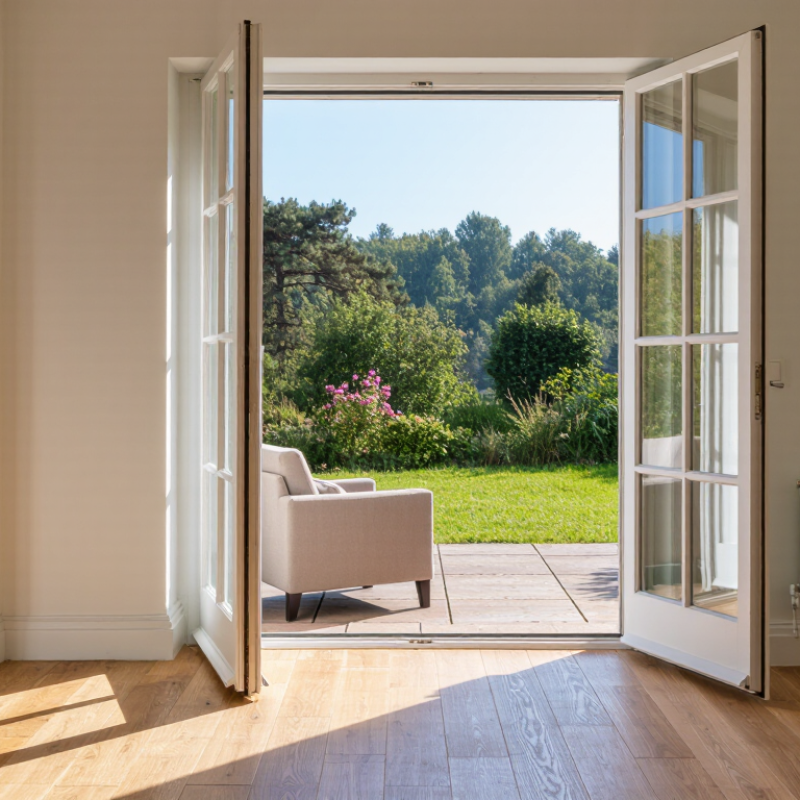
A French door is traditionally a pair of hinged doors with large glass panels, meeting at the center. Open both leaves, and the doorway feels wider; close them, and daylight still reaches the room. That balance of openness and separation shaped the design for centuries. Not every modern “French door” follows the classic pattern, though. Some use one active leaf, while others slide instead of swinging.
The major change is less about appearance than performance. Modern versions may combine insulated glazing, low-emissivity coatings, tighter weather seals, and stronger locking points. The U.S. Department of Energy estimates that windows account for about 25–30% of residential heating and cooling energy use. That figure is not specific to French doors, but it matters when a door contains extensive glass. Check its whole-unit U-factor and solar heat gain coefficient, rather than judging insulation by glass alone.
Materials have also broadened beyond traditional timber to include aluminum, fiberglass, and composite constructions. Each handles weight, upkeep, and weather differently. A bright, slim-framed door can look elegant, yet its performance depends on installation and the surrounding frame. Small gaps matter. The historical design is appealing, but old-fashioned proportions are not automatically practical; measure the swing clearance, threshold, and wall space before choosing.
How to Match Door Materials and Styles to Your Home
Match French door materials to the conditions they will face, not just the room’s color palette. Wood brings natural grain and suits traditional homes, but exposed finishes may need regular care. Fiberglass resists moisture and often imitates wood, while aluminum can create slim frames that suit modern spaces. Check how each sample looks beside your flooring. Daylight changes its color. Small details matter.
Style should follow both the architecture and the way people move through the room. A pair of hinged doors feels classic, but needs clear floor space for its swing. Check the swing. Sliding French doors can work better beside a patio table or in a narrow room, though their tracks need occasional cleaning. Match grille patterns to existing windows, and consider glass that balances daylight with privacy. A sunny west-facing room may benefit from glazing that helps control heat; confirm suitable options with a qualified installer. I would not choose by appearance alone—that is an easy mistake. A beautiful door that catches on a rug or feels out of place can become a daily annoyance.
How to Choose the Best French Doors in 2026? — How to Match Door Materials and Styles to Your Home
| Material or Style | Best Match | Key Advantages | Trade-Offs and Upkeep | What to Check Before Buying |
|---|---|---|---|---|
| Wood | Traditional, farmhouse, craftsman, and other homes where a natural finish is important. | Natural grain; can be painted or stained; suits many architectural styles. | Needs periodic inspection and refinishing, especially where exposed to sun, rain, or moisture. | Confirm the exterior finish and maintenance requirements. Use suitable weather seals and protect exposed wood from standing water. |
| Fiberglass | Busy households and varied climates where lower routine maintenance is a priority. | Generally resists moisture and does not need the same regular refinishing as exposed wood; available in painted and wood-look finishes. | Finish, construction, and performance vary by product; repairs to some finishes may be less straightforward than repainting wood. | Review the product’s warranty, finish options, glazing, and published energy-performance information. |
| Vinyl | Projects with a practical budget and a preference for low-maintenance frames. | Does not require routine painting and is not susceptible to rot; often available in several colors. | Color and finish choices can be more limited than with wood; appearance and rigidity depend on frame construction. | Compare frame reinforcement, hardware, weather seals, glass options, and the manufacturer’s care instructions. |
| Aluminum-clad wood | Homes seeking a natural wood interior with a more weather-resistant exterior surface. | Combines a wood interior with an exterior aluminum covering; offers a range of interior finish choices. | Typically costs more than basic frame options. The wood interior may still need care, and damaged exterior cladding should be addressed. | Check cladding coverage, corner details, drainage provisions, interior finish, and warranty terms. |
| Inswing double doors | Rooms where the doors open inward and the exterior landing is limited or exposed. | Can be convenient to clean and operate from indoors; suits many patios and garden rooms. | Requires clear floor space inside for the door leaves to swing. | Measure furniture clearance, nearby walls, and the intended active-door direction before ordering. |
| Outswing double doors | Interiors where preserving floor space is important and the exterior area allows the doors to open outward. | Keeps the door swing out of the room and can work well in compact interiors. | Needs a clear exterior landing; exposure to wind and weather makes appropriate hardware and weather sealing important. | Check exterior clearance, local code requirements, wind exposure, hinges, and threshold details. |
| Full-lite glass panels | Rooms where daylight and an open view are priorities. | Allows more visible glass area than designs with larger solid panels. | Offers less visual privacy and may increase heat gain or heat loss compared with a more insulated wall. | Compare whole-unit U-factor and solar heat gain coefficient (SHGC); appropriate values depend on climate and orientation. |
| Divided-light or grille design | Traditional and colonial-inspired homes, or façades where a more detailed window-and-door pattern is desired. | Adds visual structure and can echo the home’s existing windows. | Grilles can require extra cleaning; simulated, removable, and between-glass grille styles differ in appearance and care. | Match grille proportions and pattern to nearby windows, and confirm whether grilles are inside, outside, or between glass panes. |
| Energy-efficient glazing | Homes where indoor comfort and energy use are important considerations. | Insulating glass and low-emissivity coatings can help reduce heat transfer; performance depends on the complete door unit. | Glass upgrades may add cost, and the best specification varies with local climate, sun exposure, and heating or cooling needs. | Compare certified whole-door ratings where available, including U-factor, SHGC, air leakage, and any applicable local energy-code requirements. |
| Final fit and installation | Every replacement or new-build project. | Correct sizing, flashing, sealing, and hardware setup help the door operate smoothly and manage water and air infiltration. | A suitable door can still perform poorly if the opening is out of square or installation details are inadequate. | Measure the rough opening, verify the threshold and sill conditions, and follow the installation instructions and local building codes. |
Which Energy, Security, and Operating Features Matter Most?
French doors bring daylight into a room, but glass can also let heat escape. Compare the whole door’s energy ratings, not just the glass. Look for a low U-factor in cold climates and a suitable solar heat gain rating for your local conditions. Ratings vary by region, so check current local guidance. Weatherstripping should compress evenly; on a windy day, a loose edge may reveal itself with a faint draft.
Security depends on more than a sturdy-looking handle. Check that the frame anchors firmly to the wall and that the panels meet without a wide gap. Multi-point locks can secure several points along the door, while laminated or impact-rated glass may offer added resistance. Ask how the locking system is tested, and confirm the frame and glass work together. A strong lock in a weak frame is not much comfort.
Operating features matter every day. Open and close both panels several times; they should move smoothly without scraping the threshold. Check whether the inactive panel locks securely and whether the sill is manageable for children, guests, or anyone using a mobility aid. Sliding tracks and hinges need occasional cleaning and adjustment. That maintenance is easy to underestimate. Measure the opening carefully, too, because even a small installation error can cause drafts or sticking. A beautiful door that binds each winter is still a poor choice.
How to Measure and Compare French Door Options in 2026
Choosing French doors in 2026 starts with the opening, not the catalogue. Measure its width at the top, middle, and bottom, then record the smallest figure. Do the same for height on both sides and in the centre. Measure twice. Older homes can have uneven floors or slightly angled frames, and a single measurement may hide that.
Check whether trim, flooring, or a raised threshold will change the finished clearance. Also note which way the doors can swing and whether nearby furniture, steps, or a wall will obstruct them.
When comparing options, look beyond the stated door size. Ask for the frame’s overall dimensions, installation clearance, and details about the sill and weather seals. Compare glazing choices for light, privacy, and the climate where the doors will be installed.
A large glass area may brighten a dim room, but it can also affect comfort and glare. Check material care, hardware operation, and warranty terms in writing. Small differences matter. I would not assume two doors with matching nominal sizes will fit the same opening.
A simple sketch with measurements and swing direction helps suppliers quote comparable products, though measuring can still be fiddly. Not glamorous, but useful.
What to Consider Before Installation and Long-Term Care
French doors can change how a room feels, but the opening must suit the space. Measure the width and height at several points; older frames are rarely perfectly square. Check which way each panel will swing, and allow room for furniture, curtains, and foot traffic. A beautiful door is awkward if it blocks a dining chair. Small detail. Also consider the threshold: a low, weather-sealed sill may make everyday access easier, while drainage and exposure matter near an exterior entrance.
Before installation, ask how the frame will be secured and insulated, especially if the wall is uneven. Confirm who handles interior trim, exterior sealing, and disposal of the old unit. These details can affect both cost and comfort. Glass should suit the room’s privacy and sunlight needs; a bright west-facing space may become warm in late afternoon. If possible, inspect the site with the installer before final measurements. It may feel overly cautious, but correcting a fit after delivery is inconvenient.
Long-term care is simple, though easy to postpone. Wipe tracks and remove grit before it scratches the finish or impedes rollers. Check hinges, locks, and weatherstripping every season; doors that begin to drag may need adjustment, not force. Clean glass with a soft cloth and a suitable mild cleaner. Avoid assuming every finish needs the same treatment—follow the care guidance supplied for the material. I would keep a note of any sticking or drafts, too. Memory is unreliable, and small changes can reveal a problem early.
Choosing efficient French doors: A lower U-factor means less heat passes through the product. These ENERGY STAR Version 7.0 benchmarks are for residential windows by U.S. region; confirm that the specific French-door product is covered and check its NFRC label before buying.
Source: ENERGY STAR residential windows, doors, and skylights criteria.
FAQS
Measure width at the top, middle, and bottom. Record the smallest measurement. Check height in three places, too. Older frames can be uneven.
Compare the full frame dimensions, not only the stated door size. Account for trim, flooring, the sill, and installation clearance. A quick sketch helps.
Check the whole door’s energy ratings, including its glass. A low U-factor may suit cold climates. Choose a solar heat gain rating for local conditions.
Look for a firmly anchored frame and panels that meet without a wide gap. Multi-point locks secure several areas. The glass and frame should work together.
Open and close both panels several times. They should move smoothly without scraping the threshold. Check that the inactive panel locks securely. No forcing.
Make sure the panels will not hit furniture, walls, or steps. Check that the sill suits everyday access and handles drainage near an exterior entrance.
Confirm how the frame will be secured and insulated. Clarify who handles trim, exterior sealing, and disposal. An installer’s site visit can catch awkward details.
Remove grit from tracks and check hinges, locks, and weatherstripping each season. Use a soft cloth on the glass. Note any drafts or sticking; memory is unreliable.
Conclusion
Choosing the best French Doors in 2026 starts with understanding how their classic glass-panel design has evolved to offer more options for different homes. Consider how the door’s material, finish, and style will complement your architecture, interior, and maintenance preferences. Wood can bring warmth, while other materials may offer different levels of durability and upkeep.
Compare energy performance, security features, and opening styles to find doors suited to your climate and daily routine. Before deciding, measure the opening carefully and evaluate frame dimensions, glass configurations, and available clearances. Also plan for professional installation where needed, weather sealing, and regular care. Weighing appearance, performance, fit, and long-term maintenance together can help you choose French Doors that feel right for your home and continue to serve you well over time.

Blog Tags: